
Custom WordPress websites for Lantana companies. Plan the structure, design the customer experience, build the required features and launch with clear ownership.

Select an available 45-minute window, then tell us how to reach you. We will confirm the appointment and send the Google Meet details after reviewing the request.
45-minute video call. Times shown are Eastern. At least one day’s notice is required. Faded blocks are unavailable.
Share the same project details requested on our homepage in two short steps. We will review the information and respond using the communication method you select.
Tell us what the business needs, what is changing, and which services you are considering. We will review the details before recommending the most useful next step.
Custom WordPress websites for Lantana companies. Plan the structure, design the customer experience, build the required features and launch with clear ownership.
SoFloWeb designs and develops custom WordPress websites for Lantana businesses. We plan navigation, page content, visual hierarchy, features and the contact path before building native Elementor layouts that your team can manage.
Make menus, product categories, hours and directions easy to find. A reservation or contact button should lead to the correct system and remain usable on a small screen.
Website planning for Lantana begins with customer tasks: what visitors need to understand, what evidence helps them choose and what action they should be able to complete. We turn those requirements into a sitemap, content plan and agreed feature scope.
Organize completed work by the jobs customers understand. Use an inquiry form that collects the project type, location and preferred response without asking for unnecessary private information.
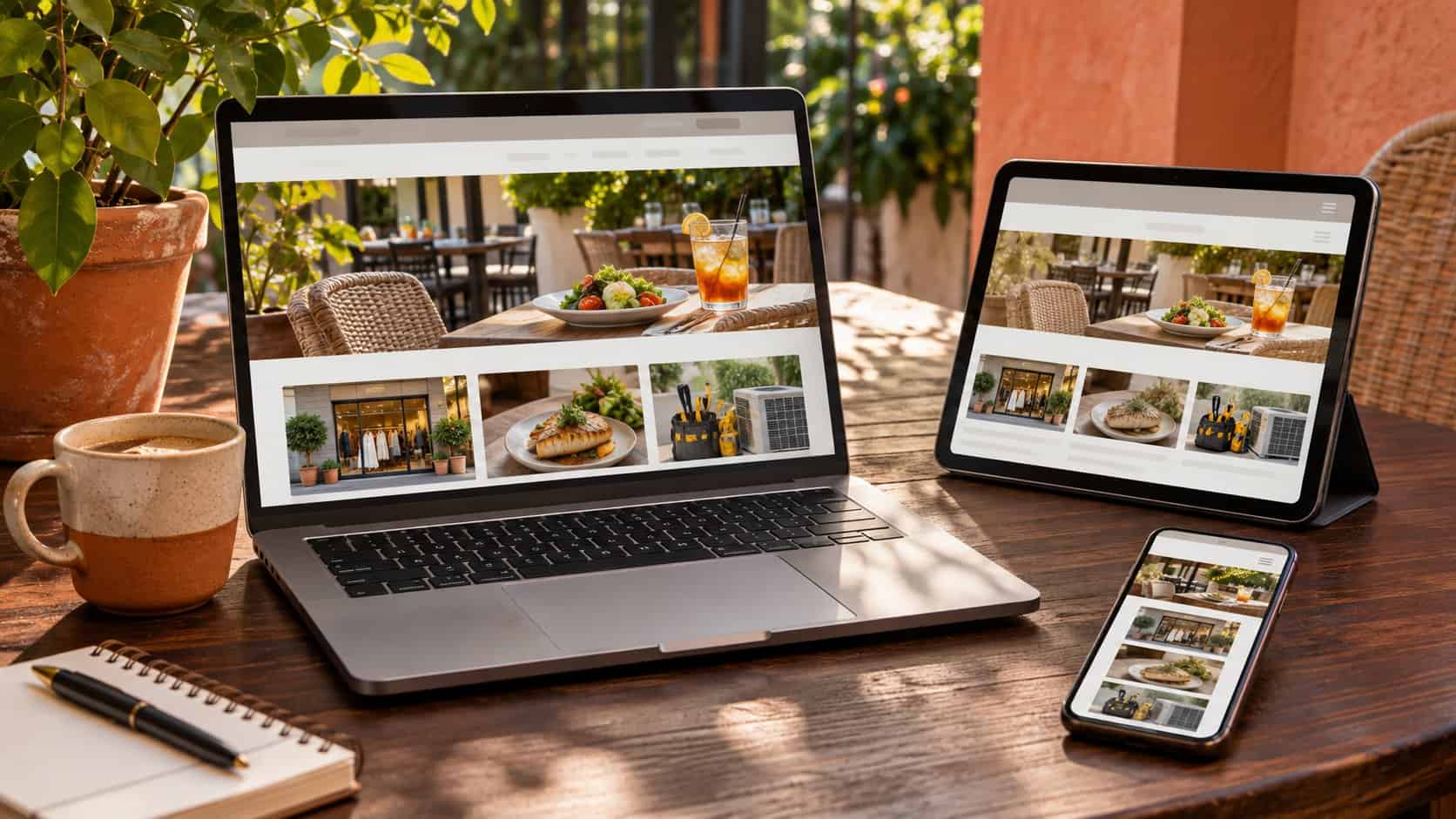
Each component has a specific purpose, from the first requirements conversation through responsive testing and handoff.
Define audiences, services, priorities, features, content responsibilities, integrations, constraints, and success criteria before the build begins.
Organize navigation, page relationships, headings, content order, and calls to action around the questions customers need answered.
Create a distinct presentation that fits the company, supports readability, and uses hierarchy, spacing, imagery, and interaction deliberately.
Build native, editable layouts with reusable global elements and a content system that qualified administrators can maintain.
Test navigation, type, touch targets, forms, contrast, images, and layout behavior across desktop, laptop, tablet, and mobile.
Implement approved forms, ecommerce or integrations; verify security, performance, tracking, ownership, backups, and launch readiness.
The visual design matters, but it works best when the underlying experience also answers questions, establishes confidence, removes friction, and remains practical after launch.
Visitors should understand what the company does, who it serves, where it works, and which next step fits without searching through vague marketing language.
Relevant work, experience, reviews, process information, business details, and realistic claims help customers evaluate fit.
Calls, forms, scheduling, purchases, directions, and other conversion paths should be visible, usable, and tested on every device.
The business should retain appropriate access, ownership, documentation, and a WordPress editing system that does not require rebuilding routine content.
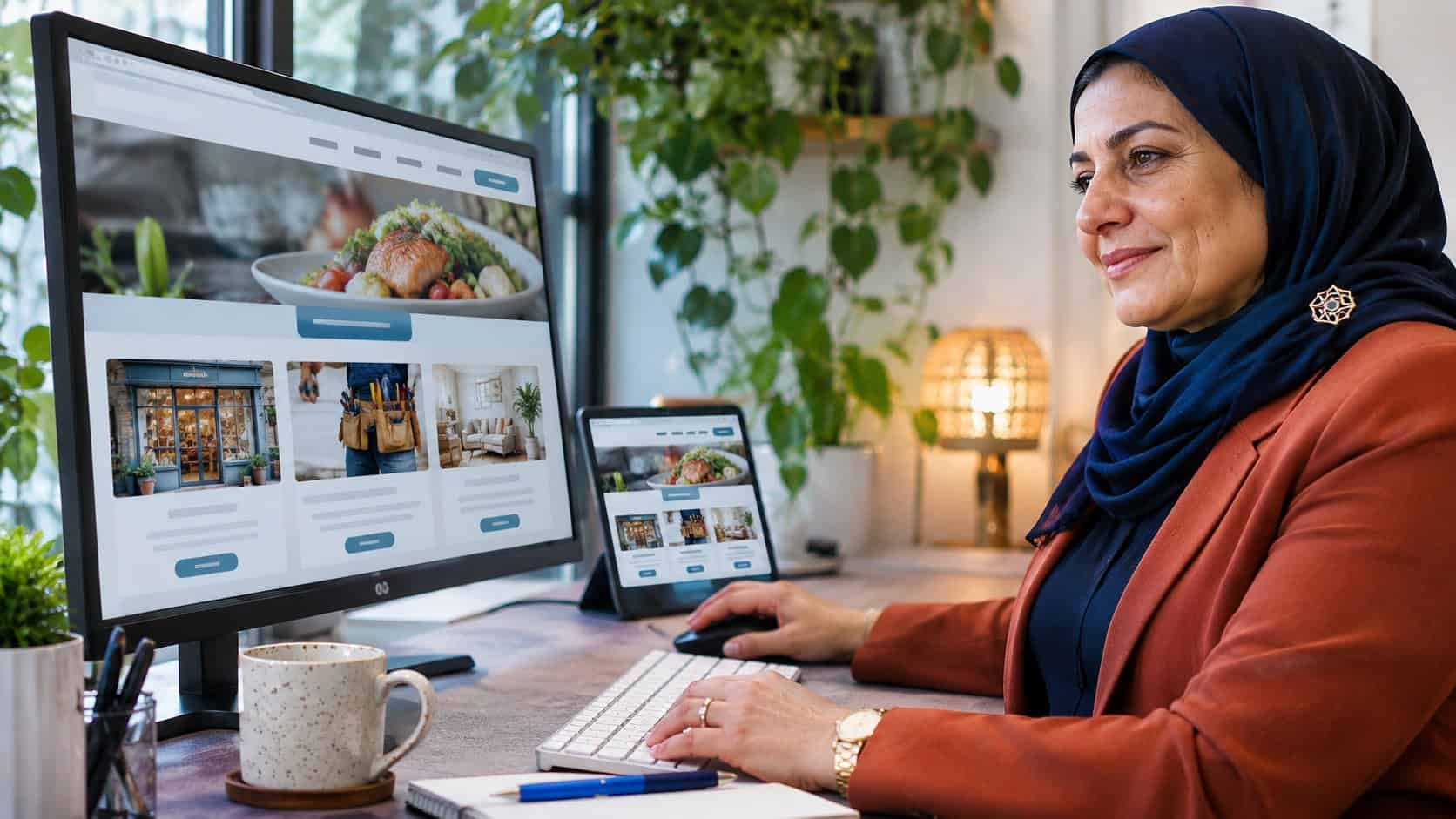
Separate services for individual customers from commercial work where the information differs. Explain the process, necessary documents and contact route for each.
We review the real sequence from the first page to contact, quote request or booking. Labels, required fields, confirmation messages and external destinations should fit the task. Features are selected for a defined need, with ownership and ongoing responsibilities explained before launch.
The page structure should follow the way customers use the business. These Lantana contexts help define content and feature requirements without repeating a general marketing overview.
Make menus, product categories, hours and directions easy to find. A reservation or contact button should lead to the correct system and remain usable on a small screen.
Organize completed work by the jobs customers understand. Use an inquiry form that collects the project type, location and preferred response without asking for unnecessary private information.
Separate services for individual customers from commercial work where the information differs. Explain the process, necessary documents and contact route for each.
Local context: Town of Lantana.
The process protects useful existing assets, keeps decisions tied to business needs, and gives design, content, development, and testing a clear sequence.
Confirm requirements and identify valuable URLs, copy, media, analytics, forms, domain settings, and search equity before changing the site.
Build the sitemap, page objectives, navigation, wireframes, content requirements, features, and conversion paths.
Create the visual system, develop native Elementor layouts, add approved content and features, and review the real rendered pages.
Check responsive behavior, forms, links, accessibility, performance, tracking, ownership, backups, and administrator access before launch.
The handoff documents domain and hosting access, administrator roles, content ownership, licensed components and ongoing responsibilities. Your team should understand how to update routine material, which services renew separately and where development support is needed.
Ongoing search campaigns are explained on the Lantana SEO page. For coordinated service selection, use our digital marketing overview.
These answers focus on planning, building, ownership, responsive behavior, features, migration, and launch—not on monthly SEO services.
The agreement should explain who owns the website, domain, accounts, content, licensed components, and custom work, plus what the business can edit after launch.
The agreed scope can include discovery, sitemap, content requirements, visual design, Elementor development, responsive review, required forms or integrations and launch support. Make menus, product categories, hours and directions easy to find. A reservation or contact button should lead to the correct system and remain usable on a small screen. The proposal should state deliverables and responsibilities explicitly.
We identify the services, proof and customer actions each page needs. Organize completed work by the jobs customers understand. Use an inquiry form that collects the project type, location and preferred response without asking for unnecessary private information. Original approved content and genuine business media should explain the company rather than rely on a location name alone.
Yes. Useful URLs, content, media and integrations are inventoried before a rebuild. Preserve working addresses where appropriate and map necessary changes deliberately. The launch plan should include link and redirect verification.
These features can be scoped around the business process and the selected providers. Define checkout or scheduling requirements, account ownership, outside fees and testing responsibilities before implementation.
Responsibilities are set in the project scope. Existing material is reviewed for accuracy, rights and suitability. New copy or imagery can be included where agreed, with review and approval built into the schedule.
Testing covers navigation, headings, images, touch targets, forms and key tasks across desktop, laptop, tablet and mobile widths. A layout that fits the viewport still needs visual and interaction review.
Ownership and access should be documented for the domain, hosting, content, custom work and third-party services. Licensed components may have renewal terms. The business should understand what it controls before launch.
Page count, content readiness, design requirements, features, integrations, migration work and review cycles affect scope. A proposal should explain deliverables, milestones, responsibilities and outside costs.
Describe the website your Lantana business needs: the services it must explain, the features customers require and what your team needs to edit. We will help define a practical design and development scope.