VIDEO CALL REQUEST

Choose a Time to Talk

Select an available 45-minute window, then tell us how to reach you. We will confirm the appointment and send the Google Meet details after reviewing the request.

45-minute video call. Times shown are Eastern. At least one day’s notice is required. Faded blocks are unavailable.

START A CONVERSATION

Tell Us What the Business Needs

Share the same project details requested on our homepage in two short steps. We will review the information and respond using the communication method you select.

ABOUT 2 MINUTESTwo focused steps
NO OBLIGATIONA practical first conversation
PERSONALIZED RESPONSEBased on the business and its goals
QUOTE & PROJECT DETAILS

Request a Website & Marketing Proposal

Tell us what the business needs, what is changing, and which services you are considering. We will review the details before recommending the most useful next step.

FOUR FOCUSED STEPSAbout 3 minutes
NO OBLIGATIONClear guidance without pressure
PERSONALIZED REVIEWBased on the business and its goals
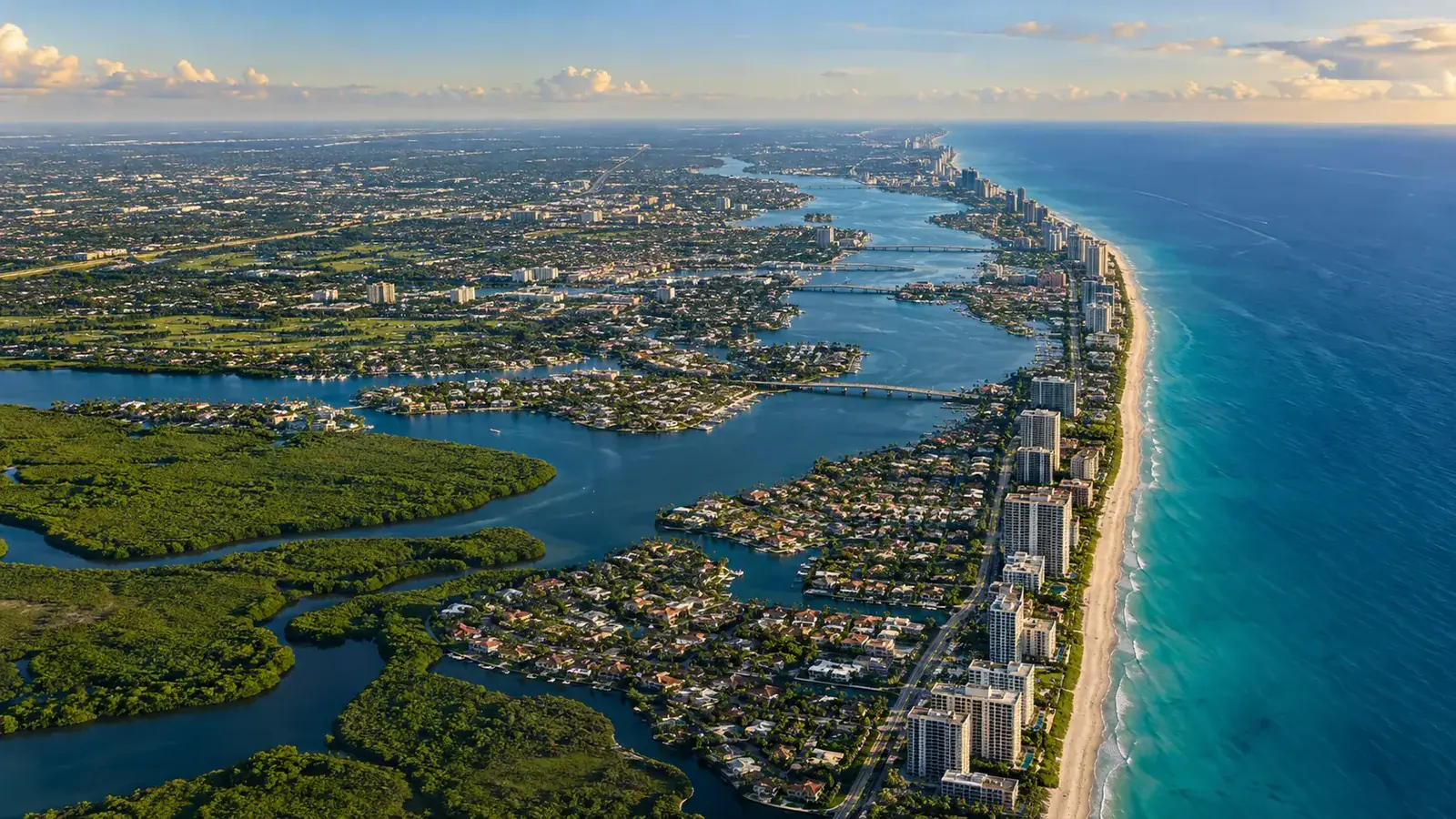
South Florida coastal communities along the regional service corridor

Home  /  Digital Trends / Local SEO and Geo-Targeting

LOCAL SEARCH + GEOGRAPHIC TARGETING

What Is the Difference Between Local SEO and a Geo-Target?

A customer looking for a florist nearby and someone sending flowers from another state can buy from the same shop. Where each person searches changes how you reach them.

Written byMaarit DurityMarch 25, 2026 · 7-minute read

THE SHORT ANSWER

What is a geo-target, and how does it differ from local SEO?

Local SEO helps a business appear when someone needs a nearby provider. It covers Google Maps, the map results in Search and organic pages that answer local questions. A geo-target is the area you choose to reach, such as a city, a county or a delivery radius. You can use a geo-target to plan organic content or set the geographic reach of an ad campaign.

Start with the customer’s destination. If the buyer needs to visit you, make the location easy to find and verify. If you travel or deliver to the buyer, show exactly where you go and what someone there can book.

Where do local SEO and geo-targeting overlap?

Imagine two people looking for a florist. Someone standing on Lake Avenue searches for “flowers near me.” They want a shop they can reach before it closes. Someone in Atlanta searches for “flower delivery to Lake Worth Beach.” They care about the recipient’s address, the delivery deadline and whether the shop can get into a particular building. Both searches can lead to the same florist. Only one buyer needs directions.

A complete business profile helps the first buyer see the shop’s hours, reviews and route. A delivery page explaining which neighborhoods the florist serves, the order cutoff and what happens if nobody is home helps the second buyer place an order. The florist can use both approaches without opening a second shop.

How the same florist can reach three different buyers
Customer needBest starting pointOutcome to measure
Pick up flowers nearby todayLocal SEO for the shop and its pickup pageCalls, direction requests and pickup orders
Send flowers to a specific townAn organic delivery page for that areaCompleted orders by delivery ZIP code
See a promotion within the delivery zoneA paid campaign with geographic targetingCost per fulfilled order in the zone

Google describes local ranking in terms of relevance, distance and prominence. Relevance concerns how well the business matches the request. Distance depends on where Google understands the searcher to be. Prominence reflects how well known the business is. A strong page can explain exactly what you offer, but it cannot move your shop closer to someone searching twenty miles away. Google’s guide to local ranking

Give customers enough information to choose you

A bakery that takes custom cake orders needs a different path from one selling pastries over the counter. Choose the business category that describes the operation, keep ordinary and holiday hours accurate, and link to a page that explains how far ahead customers need to order. A recent review about picking up a wedding cake answers a question that a star average alone cannot.

When the business travels to the customer

A mobile locksmith can qualify for a Business Profile because the business meets customers in person. If customers cannot visit the operating address, the address should be hidden. Describe the actual service area and use the website to explain dispatch hours, coverage and what a caller should have ready. A virtual mailbox in another town does not establish a staffed branch. Google Business Profile eligibility guidelines

When does a city deserve its own landing page?

Start with the decision a customer in that city has to make. A pool service company based in Lake Worth Beach might already run a weekly route in Wellington. A useful Wellington page could tell residents which days crews are in town, whether they service screened pools, how gate access works and how to get an estimate. Each detail helps someone decide whether to call. Use details the business can substantiate and photos it has permission to publish.

One regional page can answer several towns’ questions

If dispatch, pricing, availability and the work itself are the same across three neighboring towns, a clearly written regional page may serve them all. Give readers a coverage section they can scan and a way to check an address near the boundary. Split out a city when the business has enough distinct information to make that page worth visiting directly.

Google’s spam policies address groups of substantially similar pages created to rank for different cities and funnel visitors to the same destination. Swapping the town name in a heading leaves the underlying customer question unanswered. Google’s doorway abuse policy

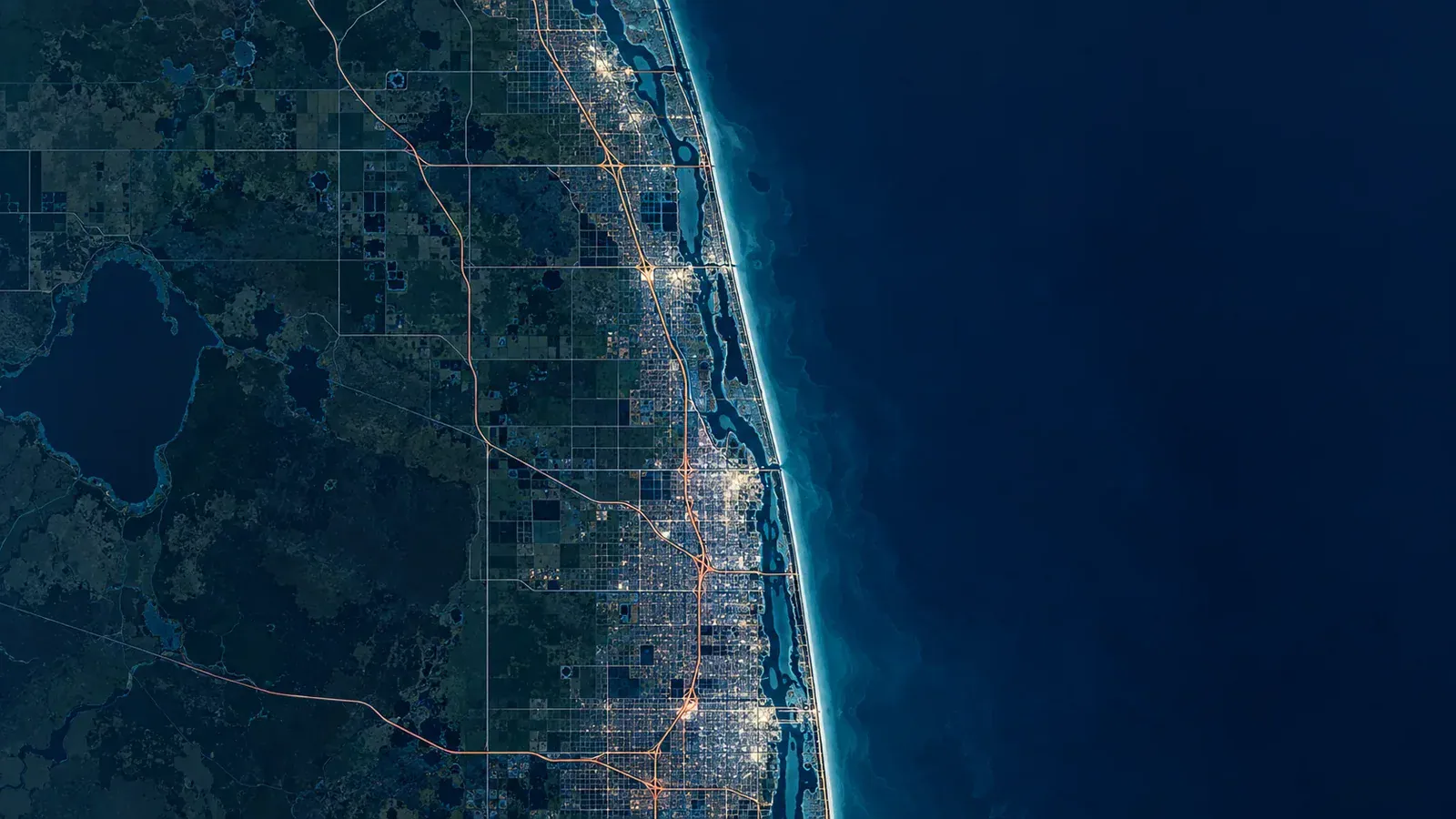
Map of South Florida markets from the Treasure Coast to Miami-Dade

ONE REGION, DIFFERENT SERVICE AREAS

A business can market across South Florida while offering different delivery windows, appointment times or services in each county.

In an advertising account, a geo-target is a campaign setting. A roofer might select Palm Beach County for a roof-repair campaign and exclude areas the crews cannot reach. That changes where ads are eligible to appear. It has no direct effect on the company’s organic ranking or Business Profile location.

Match the setting to the person who makes the purchase

For an emergency roofer, people physically in the service area are a sensible starting audience. For the florist, a customer outside Florida may still place a profitable local delivery order. A presence-only setting could miss that buyer. Check the campaign’s location options against the actual purchasing pattern, then compare the geographic report with the delivery or job addresses. Location detection is an estimate, so the booking form still needs to confirm coverage. Google Ads location targeting

Which approach should your business start with?

A storefront or a single service area

Start with the searches most likely to turn into work you can accept this week. For a dental practice, that means accurate office details, a clear appointment path and pages explaining the treatments patients call about. Check the phone experience too. A visitor choosing an emergency dentist at 4 p.m. needs to know whether anyone will answer.

Multiple locations or a business that serves clients remotely

For a business with several eligible branches, give each location accurate details and a page with its own hours, team, services and booking path. For an online-only consultancy, a regional page can explain whom the team serves, the time zones it covers and examples of relevant work. Operating online alone does not qualify the consultancy for a Google Business Profile.

Before investing in the next city

  • Confirm that someone can deliver the advertised service there at a workable margin.
  • Check inquiries, order addresses or sales records for evidence of demand.
  • Write down the question a customer in that market asks that your current page leaves unanswered.
  • Decide how you will connect the page or campaign to qualified inquiries and booked work.

How do you measure local visibility and regional demand?

For a storefront, start with Business Profile interactions, then compare those signals with appointment records or point-of-sale data. A request for directions indicates interest. A collected order tells you someone actually bought. For a service-area business, the job address can be more informative than the caller’s area code.

For a city page, filter Search Console by the page URL and inspect the queries bringing impressions and clicks. A city name in a query reveals geographic intent. It does not establish the searcher’s location. In your lead records, capture the requested service, job city and whether the inquiry became paid work. Compare the same interval over time and account for seasonality before expanding the budget.

Suppose a Wellington page brings ten inquiries and only two are inside the route. Check the coverage wording and booking form first. If nine inquiries are in range but quotes rarely close, review the offer, price and response time. Those two situations call for different decisions even when the traffic report looks identical.

SoFloWeb’s perspective

We start by asking where the sale happens. A showroom in West Palm Beach needs nearby buyers to find the address, check the hours and see what’s on display. If the same company installs flooring throughout Palm Beach County, it can also win work from homeowners who will never visit the showroom. Those buyers want to see completed installations and find out whether they can book an estimate at home.

For the showroom, we’d prioritize local SEO and make the trip easy to plan. For the installation business, we’d use geographic targeting to focus on the markets it wants to grow. A countywide installation page is a good starting point. If estimates are already coming in from Boca Raton and the company has projects there to show, a dedicated Boca Raton page can give those homeowners a better reason to request a quote.

LOCAL SEARCH QUESTIONS

Frequently Asked Questions About Local SEO and Geo-Targeting

These questions come up when a business wants to reach a second city or when a marketing proposal uses the term GEO.

CLEAR ANSWERS, PRACTICAL CONTEXT

Ask which customers the work will reach, where they will see the business and what they can do next. Those answers reveal whether a proposal covers Maps, organic pages, advertising or AI search.

MAPS, ORGANIC SEARCH AND PAID CAMPAIGNS
Does adding a service area to Google guarantee a map ranking there?

No. Your service area tells customers where you work. Google also considers the searcher’s distance, the relevance of your business and its prominence. A town on your profile is a coverage statement, not a reserved place in the map results.

Can my website rank in a city where I have no office?

Yes. An organic page can compete for searches about services you genuinely provide in that city. Explain how you serve customers there and where your team is based. A city landing page alone does not make the business eligible for a second Business Profile.

Is geo-targeted SEO the same as targeting a radius in Google Ads?

No. In Google Ads, the radius helps determine where an ad is eligible to show. In organic search, geographic targeting means publishing information that is useful for a particular market. You cannot set a radius that instructs Google to rank an organic page.

Does GEO mean generative engine optimization?

In an AI search discussion, yes. Generative engine optimization concerns how a business or its content appears in AI-generated answers. A geographic target describes a place. Ask an agency which meaning it intends and what it will measure. Google’s guidance on AI search features

Should a local business start with Maps or a city page?

A shop relying on walk-ins should first make its hours, address and services accurate wherever nearby customers look. A mobile provider already getting requests from a neighboring town may gain more from a page that explains coverage and booking there. Start where a customer is currently losing the information needed to buy.

Maarit Durity, owner of SoFloWeb

AUTHOR + TECHNICAL REVIEW

Maarit Durity

Owner, website strategist, designer, developer, SEO practitioner, and content strategist at SoFloWeb.

Maarit has worked in websites and digital marketing for more than 25 years. She writes from direct experience planning, building, rebuilding, optimizing, and measuring business websites—and takes responsibility for the technical review of this article.

Learn more about SoFloWeb and Maarit’s experience →