
VIDEO CALL REQUEST

Choose a Time to Talk

Select an available 45-minute window, then tell us how to reach you. We will confirm the appointment and send the Google Meet details after reviewing the request.

45-minute video call. Times shown are Eastern. At least one day’s notice is required. Faded blocks are unavailable.

START A CONVERSATION

Tell Us What the Business Needs

Share the same project details requested on our homepage in two short steps. We will review the information and respond using the communication method you select.

ABOUT 2 MINUTESTwo focused steps
NO OBLIGATIONA practical first conversation
PERSONALIZED RESPONSEBased on the business and its goals
QUOTE & PROJECT DETAILS

Request a Website & Marketing Proposal

Tell us what the business needs, what is changing, and which services you are considering. We will review the details before recommending the clearest practical next step.

FOUR FOCUSED STEPSAbout 3 minutes
NO OBLIGATIONClear guidance without pressure
PERSONALIZED REVIEWBased on the business and its goals
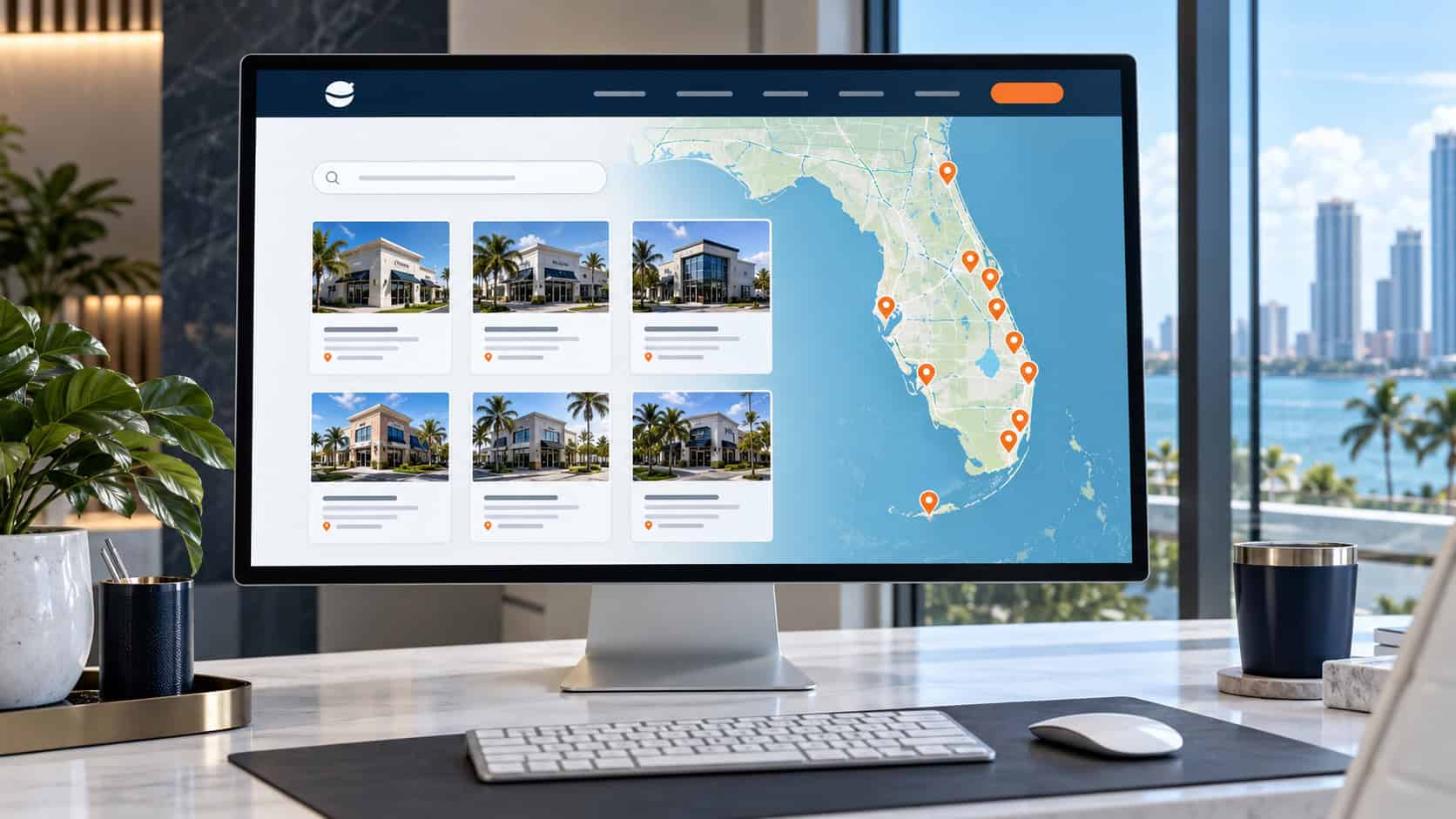
Multi-location website with a Florida location finder and consistent business location pages

Home   /   Multi-Location & Franchise Website Design

SCALABLE WEBSITES FOR GROWING ORGANIZATIONS

Multi-Location &
Franchise Web Design

We build website systems that keep the brand consistent while giving each location the accurate information, local usefulness, inquiry routing, and controlled editing it needs.
ONE BRAND, MANY REAL-WORLD LOCATIONS

A Scalable Website Needs More Than Repeated Location Pages

Multi-location companies and franchise organizations need a clear relationship between the main brand, the individual locations, the services available at each one, and the people responsible for keeping information current. Copying the same page and changing a city name does not create that system.

We plan the website around location discovery, service availability, inquiry routing, governance, content responsibilities, and expansion. The result gives customers a coherent experience while reducing the chance that hours, contact details, staff information, or local pages drift apart.

BRAND CONSISTENCY
LOCAL ACCURACY
CONTROLLED EXPANSION
THE MULTI-LOCATION WEBSITE SYSTEM

Central Control and Local Usefulness Must Work Together

The website should support the organization that exists now and provide a repeatable structure for adding locations without rebuilding the entire experience.

Location Architecture

The site establishes how regions, markets, individual locations, and location-specific services relate to the main brand.

Brand Governance

Reusable components, approved design rules, and content boundaries keep local additions from fragmenting the customer experience.

Location Finder

Visitors can identify the most relevant location by geography, service availability, or practical business rules rather than guessing from a long list.

Scoped Editing

Roles and permissions reflect who may update corporate information, location details, staff, hours, announcements, or approved page sections.

Lead Routing

Calls, forms, appointments, and inquiries are directed to the correct location or internal team with fewer manual handoffs.

Expansion System

A documented launch pattern gives each new location the required page structure, information, review steps, and quality checks.

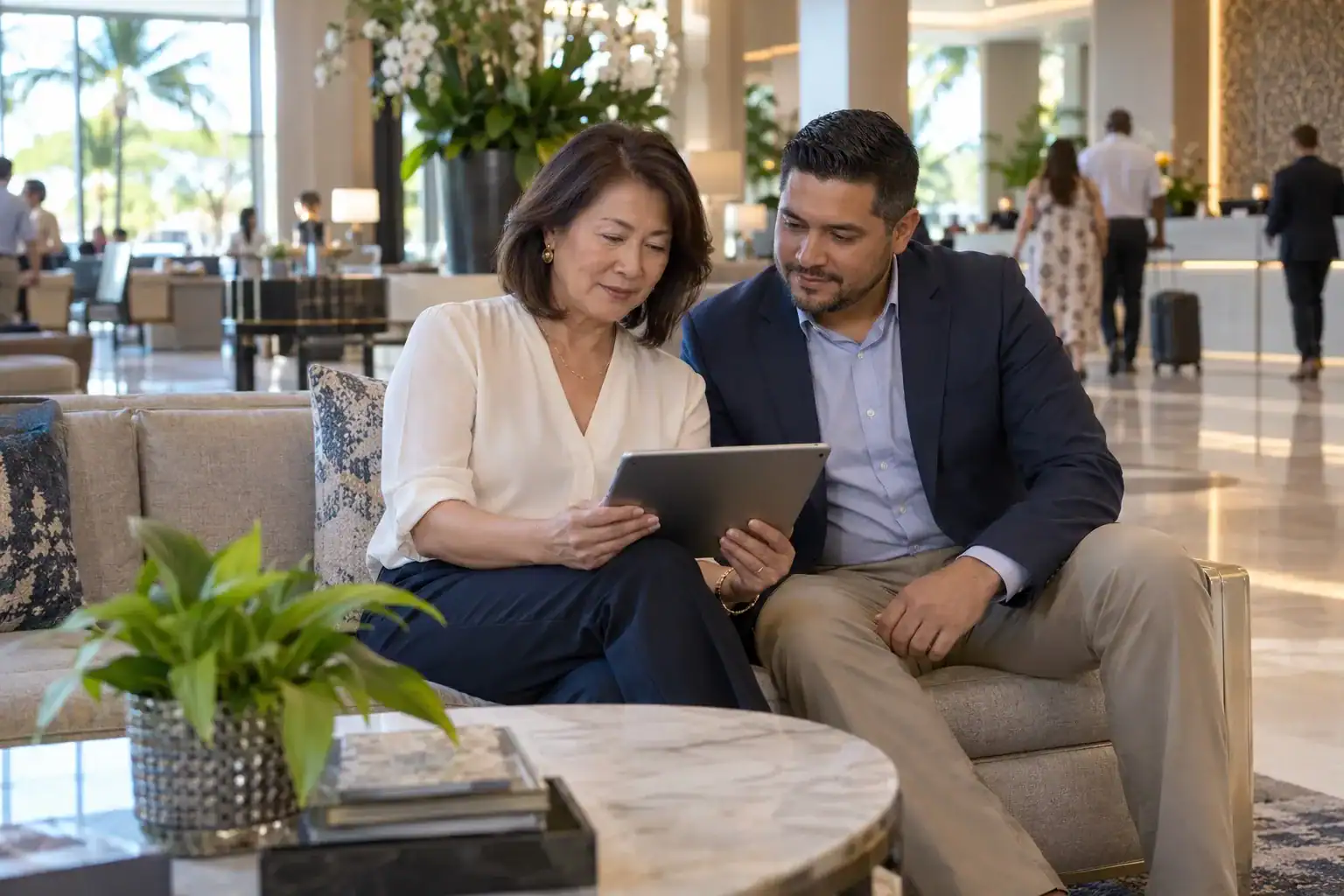
Multi-location business leaders reviewing a location finder experience
LOCAL PAGES NEED DISTINCT BUSINESS INFORMATION

Consistency Does Not Mean Every Location Is Identical

Locations may share the same brand and core services while differing in hours, staff, availability, building access, surrounding market, photographs, appointment process, or customer questions. The page system has to preserve consistency without erasing those meaningful differences.

We define which elements are controlled centrally and which can vary by location. That distinction helps the organization maintain accurate information, keep franchisees or local managers within approved boundaries, and add locations without improvising the structure each time.

The goal is an orderly, useful website—not a collection of disconnected mini-sites and not a stack of duplicated city pages.

MULTI-LOCATION WEBSITE PROCESS

The Governance Model Is Designed With the Website

Content ownership, permissions, and launch responsibilities are resolved before dozens of pages depend on them.

01

System Discovery

We document locations, service differences, audiences, inquiry paths, internal roles, expansion plans, and the organization’s approval structure.

02

Content & Data Inventory

Existing location records, images, staff information, hours, services, forms, and account access are reviewed for gaps and inconsistency.

03

Template Architecture

Corporate pages, regional relationships, location templates, reusable sections, and required local fields are defined before population.

04

Location Components

Finder behavior, routing, map relationships, contact paths, permissions, and controlled local variations are built into the system.

05

Build & Population

The approved website and location pages are assembled with real information, reviewed in batches, and checked across devices.

06

Governance & Handoff

The organization receives documented responsibilities and a repeatable process for updates, approvals, and future location launches.

THE PLATFORM STRUCTURE SHOULD FOLLOW OPERATIONS

Single Site, Multisite, and Connected Systems Serve Different Needs

The number of locations alone does not determine the best setup. Editing responsibility, technical separation, data, ownership, and expansion plans matter more.

Single WordPress Site

Often appropriate when the organization controls the brand, content, and locations through one central website and shared component system.

WordPress Multisite

Useful in certain organizations that need distinct site administration or stronger separation, but it adds management considerations and is not automatically better.

Connected Location System

Appropriate when location data, booking, directories, or internal platforms must exchange information with the public website under clear rules.

GENUINE CLIENT REVIEWS

What Clients Say About the Website Work

These Google reviews describe clients’ experiences with our website work, communication, responsiveness, and business understanding. Every review appears exactly as the client wrote it.

“Maarit and her team have been so valuable to the growth of my businesses. Have used her and her team for years, and don’t plan on ever changing.”

Evan Worth

Worth Advertising Group

“SoFloWeb has done an amazing job for our Small Business. Maarit and her team are the forefathers of SEO and understand what it takes to get your business the exposure it needs to be successful.”

Eric Brinkmann

Trimlight (West Palm Beach)

“SoFloWeb is a great company to help market small businesses. Very impressed with the knowledge, communication and professionalism of this company.”

Kasee Vickery

Vickery Realty, Inc

“I’m a client of SoFloWeb and can wholeheartedly recommend them to any business owner seeking to improve their google rankings and overall search optimization. Maarit and her team are also extremely hands-on with their clients and really take the time to understand your goals and needs as a customer. I’m a very satisfied customer.”

Martin Berliant

Five Star Business Brokers
MULTI-LOCATION & FRANCHISE WEBSITE DESIGN QUESTIONS

Multi-Location & Franchise Website Design FAQ

Straight answers about scope, risks, responsibilities, access, timing, and the decisions that shape this specific service.

CLEAR ANSWERS BEFORE WORK BEGINS

The right recommendation depends on the actual website, available access, business requirements, and the condition of the material involved.

QUESTIONS BUSINESS OWNERS ASK

Not automatically. Separate websites can create duplicated work, inconsistent information, divided ownership, and a fragmented customer experience. A well-structured main website with useful location pages is often stronger, although legal, operational, ownership, or franchise requirements can justify more separation.

The page should include accurate contact information, hours, services available there, practical access details, appropriate staff or location information, real photographs when available, relevant customer questions, and the correct inquiry path. The exact fields depend on the business.

Yes, when the organization wants that model. Editing roles can limit which areas a franchisee or location manager may change while protecting global templates, brand components, and central content.

Routing can use the selected location, service, form choice, telephone number, booking relationship, or another agreed business rule. The system should be tested with the actual people responsible for responding.

A documented location-launch process defines required data, photographs, services, staff, approvals, routing, and quality checks. The approved template is then populated with real local information rather than copied blindly.

They should share a consistent structure and brand language where appropriate, but meaningful local differences should be represented accurately. Hours, staff, services, access, imagery, and customer questions can vary.

No. Multisite is one architectural option, not a requirement. The right decision depends on administrative separation, ownership, permissions, technical maintenance, integrations, and how locations are expected to operate.

Sometimes. We first review the current templates, location data, URLs, forms, permissions, and content quality. A controlled redesign may preserve useful pages, while a fragmented or technically limited system may be safer to rebuild.

MULTI-LOCATION & FRANCHISE WEBSITES

Does the Website Support Every Location Without Losing Control?

Tell us how locations operate, who updates them, and where customer inquiries should go. We will help define a website system that stays consistent as the organization expands.