PGA Boulevard
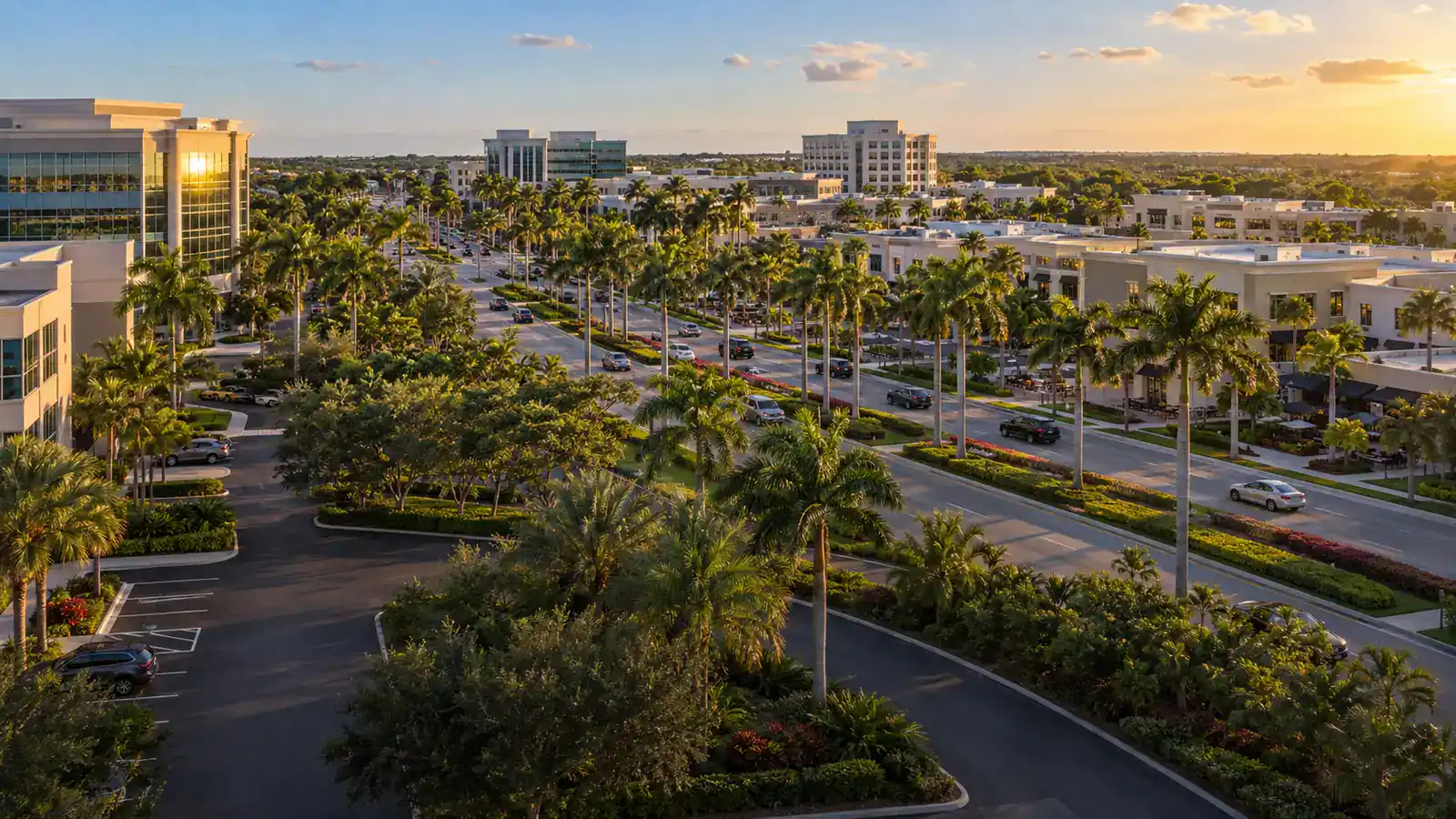
PGA Boulevard brings together business, shopping, dining, and professional activity. Website structure should make the specific offer and visitor action clear rather than relying on the corridor’s reputation.

Select an available 45-minute window, then tell us how to reach you. We will confirm the appointment and send the Google Meet details after reviewing the request.
45-minute video call. Times shown are Eastern. At least one day’s notice is required. Faded blocks are unavailable.
Share the same project details requested on our homepage in two short steps. We will review the information and respond using the communication method you select.
Tell us what the business needs, what is changing, and which services you are considering. We will review the details before recommending the most useful next step.
Home / Palm Beach Gardens Web Design & SEO
Choose a coordinated digital marketing plan for your Palm Beach Gardens business. Explore the services, establish priorities and connect with the specialist page for the work you need.
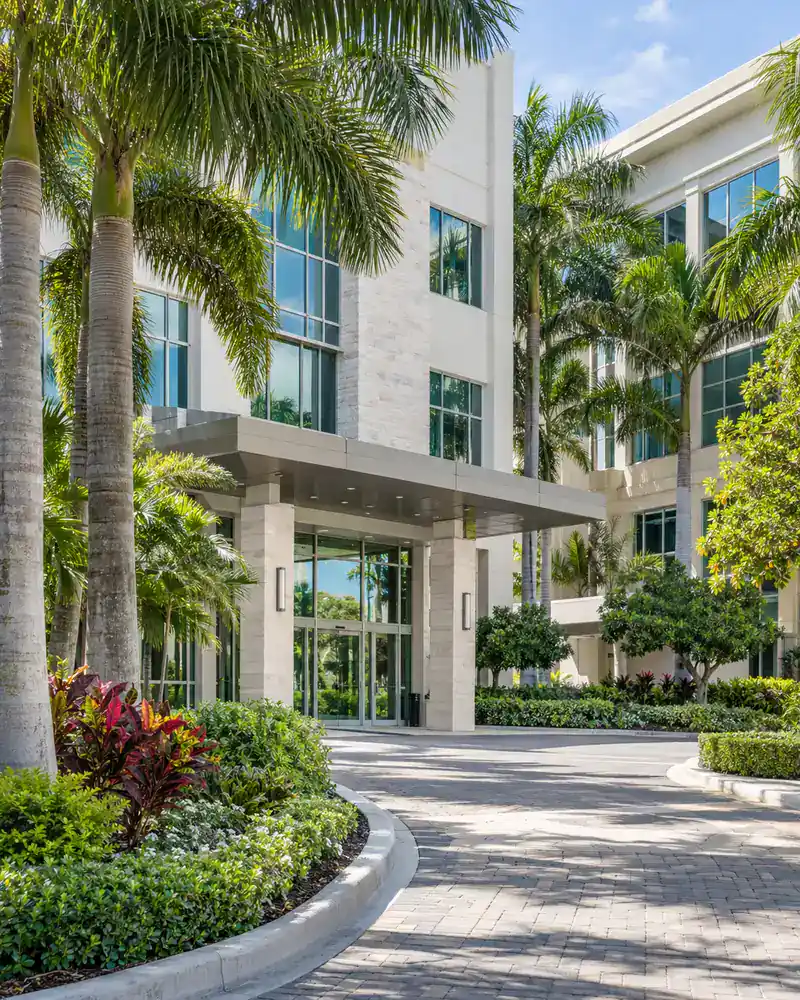
Palm Beach Gardens supports professional and medical services, shopping and dining, golf-related activity, established neighborhoods, and a wider western residential market. These businesses compete for different decisions: a booked consultation, a store visit, a property-service estimate, or a specialist referral. We plan WordPress websites and SEO around those decisions instead of treating the city as one uniform audience.
A professional practice needs more than a polished homepage. Visitors may compare qualifications, service details, location, process, and evidence before requesting an appointment. Retail and household services have their own priorities, including current offerings, availability, and clear contact paths. The information architecture should help each audience reach the page that answers its actual question.
That starts with clear navigation, readable mobile layouts, original service content, dependable forms, and a WordPress editing system the business can manage. For an existing website, we review useful pages and search visibility before recommending changes. Design and SEO are planned together so discovery leads to information that helps a customer choose.
Plan a new WordPress website or improve an outdated one with clear architecture, custom design, responsive behavior, original content, and useful functionality. We address navigation, forms, performance, ownership, and the technical foundations needed to support search and future updates.
Identify the searches that matter to your business, then improve technical accessibility, service content, internal links, and accurate local business signals. Organic SEO, eligible Google Business Profile alignment, and measurement work together to support useful visibility and qualified inquiries.
The website is the foundation. Original content, accurate business profiles, AI-search clarity, and focused paid campaigns should support the same services, customer questions, and practical next steps.
Help search and AI systems interpret your services through clear explanations, consistent business facts, useful answers, and appropriate structured data. We assess opportunities alongside organic search without promising an AI citation or placement.
Explain your actual services through original service pages, relevant project examples, FAQs, and articles. Useful content answers buyer questions, supports the right searches, and gives visitors evidence to assess the business.
Align eligible profile information with the website: categories, services, address or service area, hours, photographs, and review practices. Accurate details help customers evaluate the business without suggesting locations it does not operate.
Connect paid search with focused landing pages, clear offers, practical forms, and conversion tracking. Campaign priorities depend on customer value, budget, competition, and the business’s ability to respond to and assess incoming inquiries.
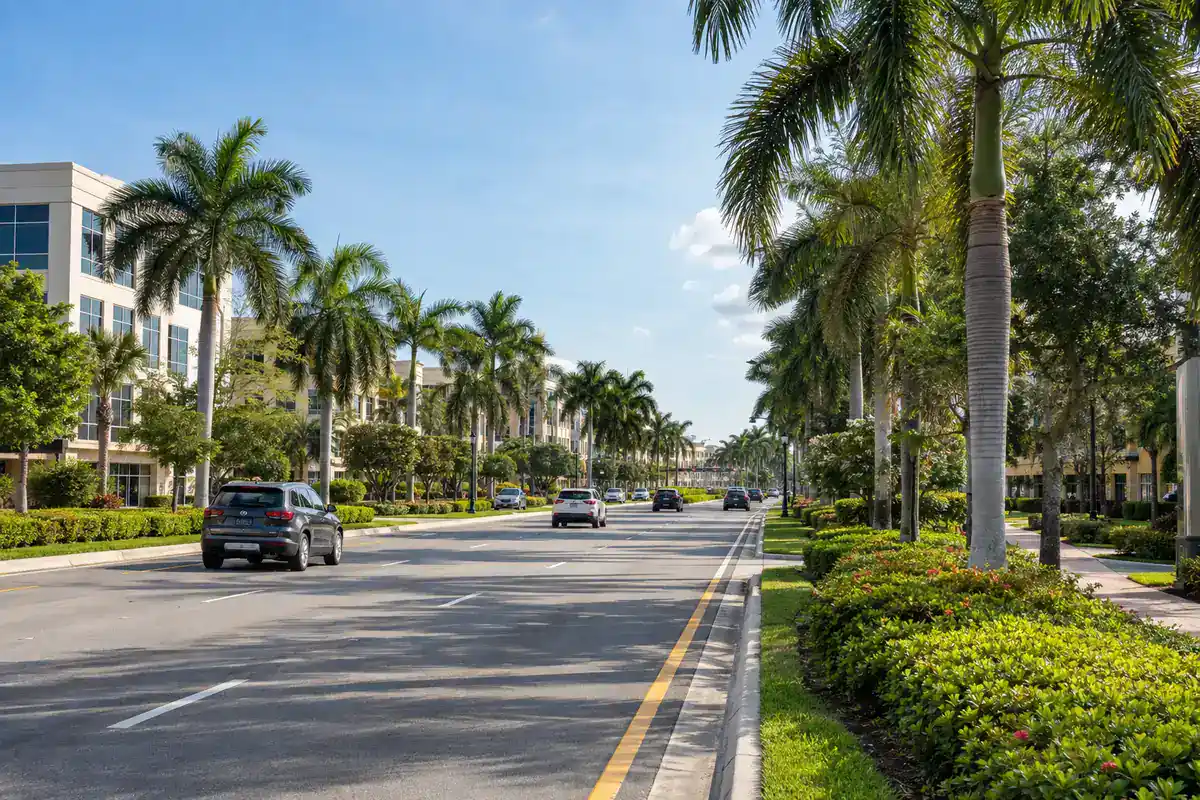
Local detail is useful when it changes what a customer needs to know. We connect the following settings with service information, search intent, and practical website decisions rather than adding place names to every heading.
PGA Boulevard brings together business, shopping, dining, and professional activity. Website structure should make the specific offer and visitor action clear rather than relying on the corridor’s reputation.
Northlake Boulevard spans multiple local jurisdictions and customer settings. Clear addresses, service descriptions, and accurate coverage help visitors distinguish a business location from the area it serves.
For appointment-based services, readers need qualifications, relevant service detail, an understandable process, and a practical way to contact the right office. Those facts belong on crawlable pages.
Residential customers may research recurring maintenance, property improvements, healthcare, and family services. Service-specific pages and relevant work examples should explain fit without implying that all local properties have the same needs.
Local context: City economic development and City future land use map.
We establish what the business needs, review the current website and search evidence, then coordinate design, content, development, and SEO around a clear plan.
We learn which services matter most, who buys them, how customers choose, and what a useful inquiry looks like. That guides the website structure, features, content, and search priorities.
We examine existing pages, technical issues, rankings, links, forms, and ownership. A redesign or rebuild should preserve useful assets while correcting the problems that limit the site.
We connect WordPress design, original copy, service information, technical SEO, internal links, and accurate business details. Forms, calls to action, and required functionality are built into the same plan.
We verify the live layout, navigation, forms, and measurement setup. Search queries, landing pages, calls, form submissions, and lead quality then help determine what needs further attention.
Palm Beach Gardens is a city, while “the Gardens” can be used more broadly in everyday conversation. Major roads and postal names do not establish the jurisdiction of every property. We check the relevant municipal maps and the business’s actual operating area rather than defining a market from a single shopping district or ZIP code. The website should reflect both the company’s location and the customers it can genuinely serve.
SEO helps the right customers find the right service. Research connects actual customer questions with useful pages. Technical accessibility, descriptive headings, internal links, original information, and consistent business details help search systems understand the site. For local discovery, eligible Google Business Profile information should reflect the same company and real services. Geographic wording supports that explanation; it cannot replace it.
Web design helps those visitors decide and act. Someone arriving from search should reach a page that explains the work, shows relevant evidence, and offers the right next step. We plan mobile layouts, navigation, page content, forms, and functionality around those decisions. A storefront may need directions and booking; a company working at customer properties may need service details and an estimate request. The design and SEO strategy should support the same business goals.
5.0out of 5 on Google
Our five-star rating reflects the care we bring to website design, search strategy, communication, and ongoing support.
Practical answers about service selection, planning, budgets, campaign coordination and business outcomes. Detailed build and search-optimization questions are covered on their specialist pages.
The right starting point depends on the website you have, the customers you want to reach, and what prevents them from finding or choosing your business.
Start with the business goal, available budget, sales capacity and evidence from current inquiries. Identify whether the immediate constraint is discovery, unclear information, a weak offer or an inefficient follow-up process. The recommended work should address that constraint.
Yes. A focused engagement can address a specific need, while a coordinated plan defines how it relates to other channels. Scope, responsibilities and measurement should be agreed before work begins.
Useful inputs include priority services, customer types, operating area, typical customer value, seasonality, capacity, previous campaigns and access to available reporting. The plan should reflect what the business can deliver.
Use a consistent offer and business identity, then give each channel an appropriate destination and a measurable next step. Campaign reporting should distinguish traffic sources rather than combine every inquiry into one unexplained total.
Seasonal demand can influence campaign timing, opening hours, availability and the information customers need before contacting the business. Confirm the company’s actual seasonal patterns rather than assuming every local business follows the same calendar.
The scope should name the deliverables, business objective, responsibilities, review process, access requirements, timetable and outside costs. It should also explain what will be measured and how the next priorities will be chosen.
No. Outcomes depend on the offer, competition, market demand, budget, implementation and the business’s response to inquiries. The plan should make assumptions explicit and use evidence to refine the work.
Compare qualified inquiries, booked appointments, sales opportunities and available revenue evidence with the agreed objective. Review channel costs, lead quality and operational capacity alongside traffic totals.
Tell us what your business does, what you need from the website, and where the current site or search visibility falls short. We will explain the design, content, and SEO priorities that fit the situation.